
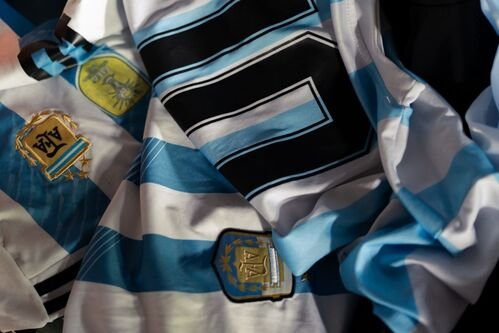
In the realm of sports fashion, vintage football kits stand out as more than mere jerseys. They encapsulate stories of community pride, regional traditions, and the unique identity of clubs and their supporters. By drawing inspiration from local legends, traditional symbols, and cultural motifs, designers of retro shirts pay homage to the heritage that once thrummed through packed stadiums. Through careful selection of colours, patterns, and materials, these kits transform into canvas pieces reflecting the folklore of a place, while appealing to modern collectors and fans alike.
The Charm of Vintage Football Kits
The allure of classic football shirts lies in their blend of nostalgia and authenticity. Unlike contemporary designs that chase the latest technological advancements, retro kits often celebrate the simplicity of earlier eras. Simple collars, bold stripes, and uncluttered logos evoke memories of legendary matches and iconic players. This stripped‐down aesthetic resonates with collectors who value the tactile sensation of genuine fabrics and the visual impact of heritage-inspired graphics.
Moreover, vintage kits serve as historical artefacts. Each stitch can signify a pivotal moment in a club’s timeline—whether it’s a championship-winning season or a memorable cup run. Owning an original or faithfully recreated shirt connects fans to these milestones in a deeply personal way. The distinctive crests embroidered on these jerseys often feature motifs drawn from municipal coats of arms, regional flora and fauna, or even celebrated local industries.
How Local Traditions Shape Football Shirt Designs
Local customs and artistic expressions significantly influence the visual language of retro football attire. Traditional weaving patterns, folk art imagery, and municipal emblems frequently inform the placement of stripes, badges, and sleeve trims. In many cases, designers collaborate with local artisans to ensure that every motif—from the folk embroidery-inspired borders to heraldic shields—remains faithful to its cultural origins.
Fans eager to explore an extensive online selection of genuine vintage and retro kits can turn to classic-shirts.com, a dedicated store where every piece is chosen to reflect the authenticity of bygone footballing eras. Through this shop, supporters gain access to a wide catalog of teams and historical styles, making it possible to discover rare editions that pay tribute to a city’s folklore or commemorate local festivals.
Iconic Retro Shirts and Their Cultural Significance
Certain retro football shirts have transcended sport to become cultural icons. Take, for instance, a shirt that incorporates elements of a local textile heritage—perhaps a tartan sash or a floral ribbon motif. Such designs do more than look good on the field; they serve as wearable badges of regional heritage. These shirts frequently reappear in commemorative series, allowing new generations to experience the pride that powered previous triumphs.
In some regions, retro jerseys have taken on the role of unofficial ambassadors. Worn at charity matches or cultural festivals, they spark conversations about local identity and sporting legacy. Additionally, limited‐edition reissues—often featuring patched crests or satin lining reminiscent of vintage craftsmanship—foster a sense of exclusivity among collectors who prize authenticity and provenance.
Materials and Patterns: A Nod to Heritage
When recreating retro kits, manufacturers emphasize materials that align with traditional production methods. Heavyweight cotton blends, woolen trims, and vintage‐style woven badges ensure that each shirt feels as substantial as the originals. The texture of these fabrics, combined with muted or naturally dyed hues, transports wearers back to stadium terraces of the 1960s and ’70s.
Patterns often reflect regional crafts or symbolic landmarks. A classic example is a coastal city’s kit featuring a subtle wave pattern along the hem, or mountain town jerseys adorned with geometric motifs derived from local weaving techniques. The result is a harmonious fusion of function and folklore: – Tide-inspired wave stripes – Heritage weaving frames – Municipal crest overlays Each element contributes to a design that both honours the past and appeals to contemporary collectors.
Celebrating Community Identity Through Football Jerseys
Football shirts have the power to unite diverse communities under a shared banner. Retro designs amplify this effect by weaving local symbols—be they bridges, historic buildings, or cultural icons—directly into the fabric. Wearing such a jersey becomes an act of solidarity, signaling allegiance not just to a team, but to the place and people it represents.
Community-focused releases often coincide with anniversaries or local heritage events. These limited‐run editions strengthen fan engagement by giving supporters a tangible link to their roots. In many cases, proceeds from special retro kit sales help fund grassroots initiatives, heritage preservation, or youth development programs—extending the social impact of these shirts far beyond match day.
The Revival of Classic Football Kits in Modern Times
The resurgence of retro football shirts in recent years reflects a broader trend toward authenticity and sustainability in fashion. Fans tired of fast‐fashion cycles appreciate the durability and timeless appeal of classic jerseys. By choosing high‐quality reproductions over cheaply made replicas, consumers invest in pieces designed to last—both physically and stylistically.
Techniques such as water-based screen printing, eco-friendly garment dying, and reinforced stitching not only replicate the look of original kits but also align with contemporary ethical standards. This marriage of past and present craftsmanship ensures that retro shirts remain relevant, offering both aesthetic charm and responsible production—a fitting tribute to the local traditions that inspired them.